Fishing Knots Every Angler Should KnowLearning a few reliable fishing knots is one of the best ways to improve your success rate on the water. A strong, well-tied knot can mean the difference between landing a big fish and losing it. The good news is that you don’t need dozens of knots — mastering just 4–5 essential ones will cover almost every situation.In this complete beginner’s guide, we teach you the most important fishing knots, when to use each one, and step-by-step instructions so you can tie them confidently.Why Good Knots Matter
Weak or poorly tied knots are one of the top reasons anglers lose fish. A good knot should:
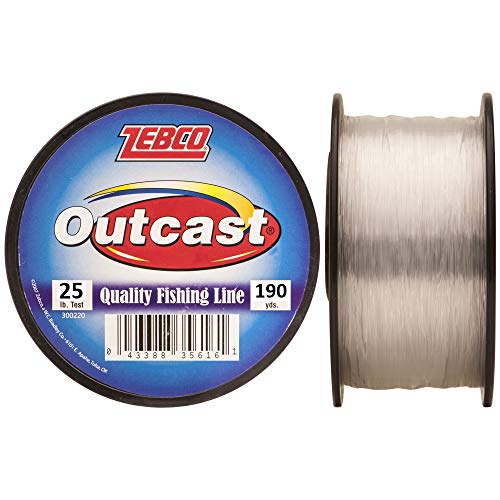
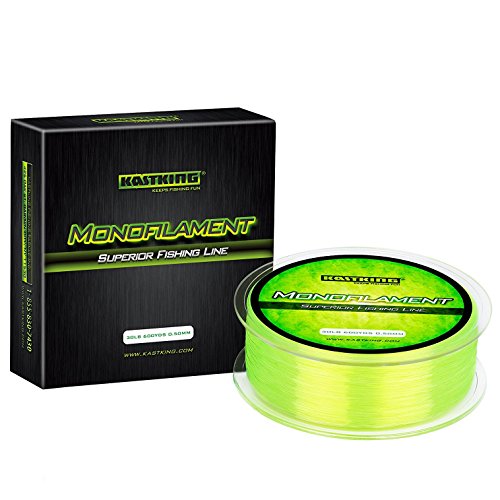
You can find quality fishing line and terminal tackle to practice your knots by browsing our Fishing Lines category.Fishing Tip for Beginners
Practice tying knots at home before you go fishing. Tie each knot 10–15 times until it becomes second nature. This will save you time and lost fish on the water.Disclaimer
The information in this buyer’s guide is for educational and informational purposes only. It is not intended to replace professional instruction. Fishing involves hooks and sharp objects and carries a risk of injury. Always supervise children and consult with an experienced angler for personalized knot and tackle advice. Individual results may vary.Ready to Strengthen Your Knots?
Browse our Fishing Lines category today for quality monofilament, fluorocarbon, and braided lines. We focus on linking you to the best current deals from trusted retailers so you can tie strong knots with confidence.
Weak or poorly tied knots are one of the top reasons anglers lose fish. A good knot should:
- Maintain most of the line’s original strength
- Be easy to tie even with cold or wet hands
- Hold securely under pressure
- Be quick to tie when fish are biting
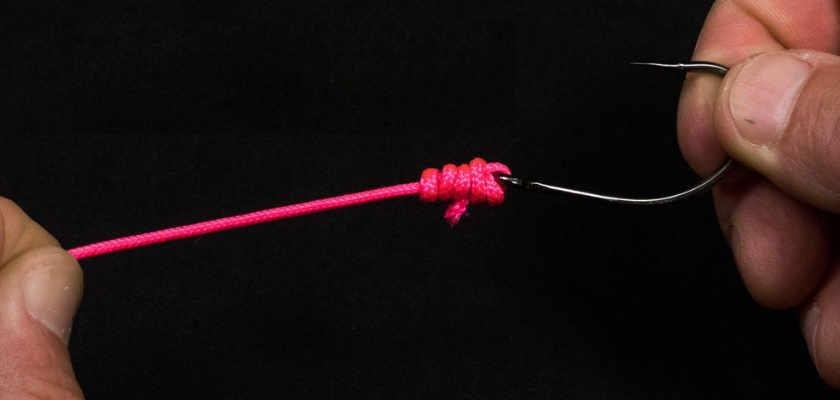
- Improved Clinch Knot (Best All-Purpose Knot)
Use this to tie your line to a hook, lure, or swivel.- Very strong and reliable for most freshwater and light saltwater fishing.
- Works well with monofilament and fluorocarbon line.
- Palomar Knot (Strongest Knot for Most Situations)
Excellent for tying line to hooks or lures, especially with braided line.- One of the strongest knots available.
- Easy to tie and very secure.
- Uni Knot (Versatile and Easy)
Great for connecting line to a hook, lure, or for joining two lines together.- Works well with all line types (mono, fluoro, and braid).
- Double Uni Knot (Best for Joining Two Lines)
Ideal for connecting a main line to a leader (especially braid to fluorocarbon).- Strong and relatively easy to tie.
- Arbor Knot (For Spooling New Line)
Used to tie the line securely to the reel spool when putting on new line.
- Improved Clinch: Everyday use with spinning reels and light tackle.
- Palomar: Best choice when using braided line or when you need maximum strength.
- Uni Knot: Great all-rounder and excellent for attaching swivels.
- Double Uni: When joining lines of different types or diameters.
- Arbor Knot: Only needed when spooling a new reel.
- Always wet the line with saliva or water before tightening — this reduces friction and prevents weakening.
- Pull slowly and steadily from both ends when cinching the knot.
- Trim tag ends neatly but leave a small amount for security.
- Test the knot by pulling firmly before casting.
- Not wetting the line before tightening
- Tying the knot too loosely
- Using the wrong knot for the line type (especially with braid)
- Rushing the tying process
You can find quality fishing line and terminal tackle to practice your knots by browsing our Fishing Lines category.Fishing Tip for Beginners
Practice tying knots at home before you go fishing. Tie each knot 10–15 times until it becomes second nature. This will save you time and lost fish on the water.Disclaimer
The information in this buyer’s guide is for educational and informational purposes only. It is not intended to replace professional instruction. Fishing involves hooks and sharp objects and carries a risk of injury. Always supervise children and consult with an experienced angler for personalized knot and tackle advice. Individual results may vary.Ready to Strengthen Your Knots?
Browse our Fishing Lines category today for quality monofilament, fluorocarbon, and braided lines. We focus on linking you to the best current deals from trusted retailers so you can tie strong knots with confidence.